
Community Power in Practice: Lessons from Carrickfergus
What we learned from Lee Robb about building community agency and creating the conditions for locally led, place-based transformation.
In July, during our Living Places Network Knowledge Share session - a space of collective reflection and learning for place-based practitioners and changemakers - we heard from Lee Robb, founder of Positive Carrickfergus in County Antrim, Northern Ireland.
Carrickfergus, one of Northern Ireland’s oldest towns, sits just over 10 miles from Belfast. Its Norman castle, dominating the skyline, is a reminder of the historical military past which continues to shape the place today. After a post-war manufacturing surge, the town thrived briefly before industry vanished in the 1980s, eroding the shared daily routines of factory life and along with it the sense of community.
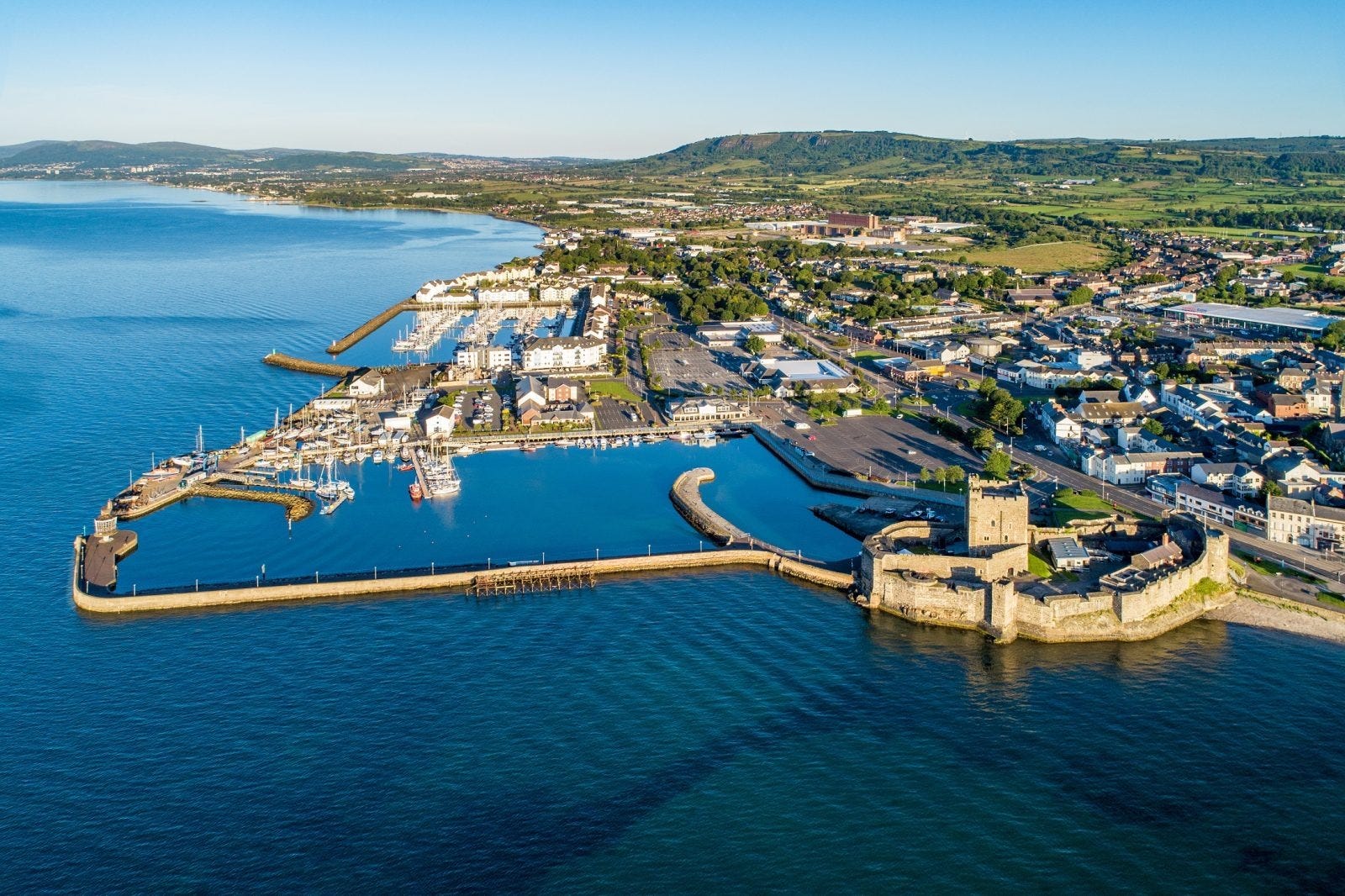
Positive Carrickfergus started as a Facebook group set up by Lee, offering a space for an alternative and hopeful story of a town where militaristic symbols and negativity had dominated the public narrative for years. The group brought together residents who wanted to make Carrickfergus a better place to live and this grew into a movement of people building the relationships and the small, real things that help transformation take root.
Lee’s grounded, practical and quietly uncompromising work in Carrickfergus is re-rooting creativity, connection and agency within the town by transforming empty and unused buildings, shops and spaces into containers for community conversation and imagination.
The core of this work is helping people recognise that the power to create local change is deeply embedded within place.
Starting with Possibility
It starts with an idea, a question and a space for listening: “Be curious and generous and open-hearted and see where that takes you.”
The Facebook group became the first avenue to shift the dominant narrative, to share and gather ideas and to open up a different kind of conversation that started with positives, not deficits. During the 2021 winter lockdown, Positive Carrickfergus delivered postcards to households, asking people what their hopes and dreams were for the future of their town. This created room for imagination and reflection, and steered conversations towards possibilities, not problems. The responses were much greater than expected, with people asking for more shops in the town centre, for more music, arts and culture.
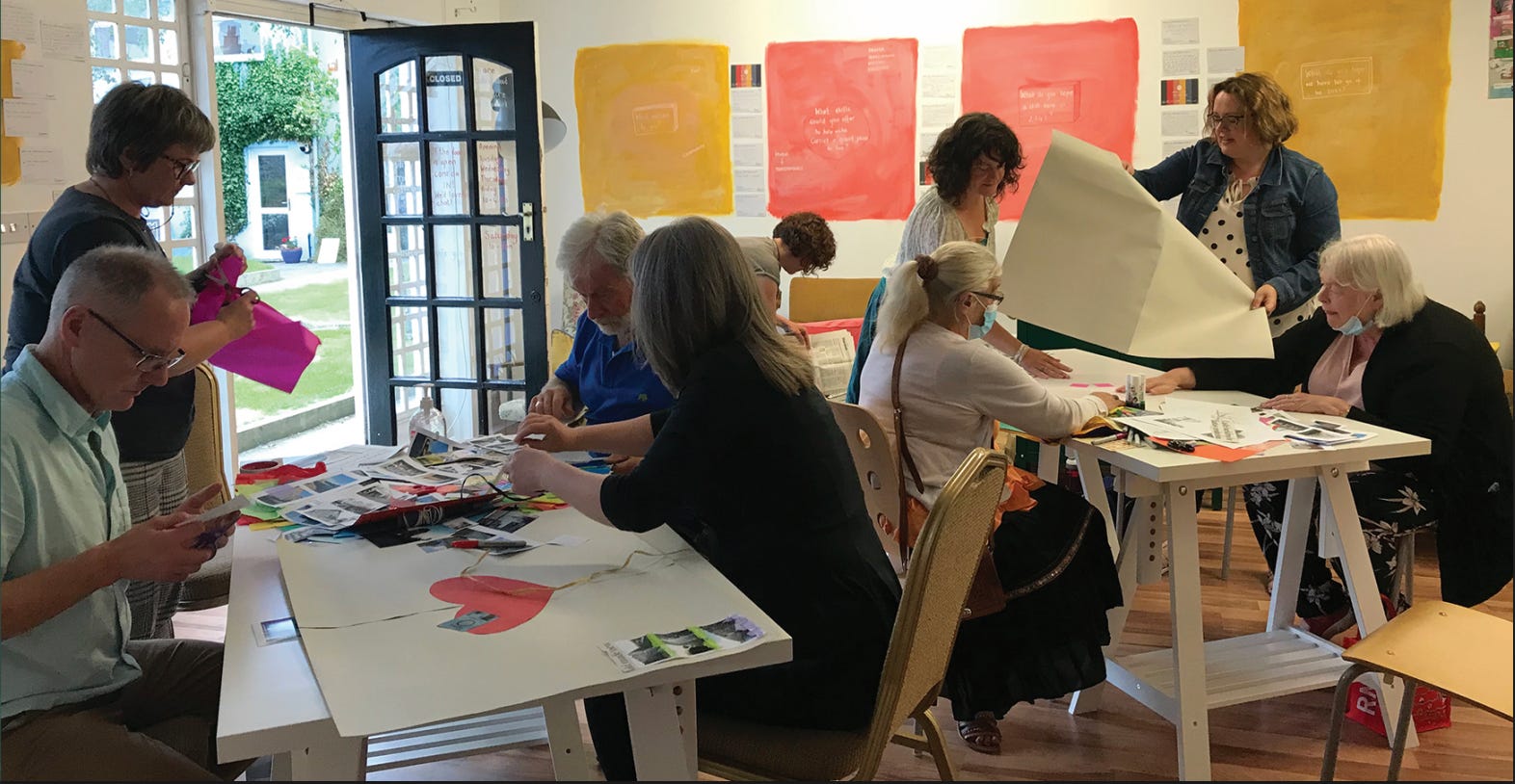
This intentional step of engaging the community and encouraging co-design and collective imagination, was undoubtedly key for seeding a shared sense of responsibility and belonging. This in turn has been key for prompting and sustaining a long-term process of regeneration that is embedded in place.
As Lee put it, in a place where many people were stuck looking at the past and it was unusual to be thinking about the future - asking the question “what do you want for your town?” was deeply radical.
This question rests on the belief that the ideas, resources and energy to build a healthy and thriving place are already here, within the community, waiting to be surfaced.
The invitation and opportunity is in someone asking that first question, offering some space and being there to listen.
Rekindling a Sense of Community
In Carrick, this space to share and listen was partly created through the Town Hall. The Town Hall was recognised as a building that was chronically underutilised and could become a community asset with the potential to be a focal point for place-based regeneration. It was practical infrastructure that had the capacity to hold a community’s imagination, joy and creativity.
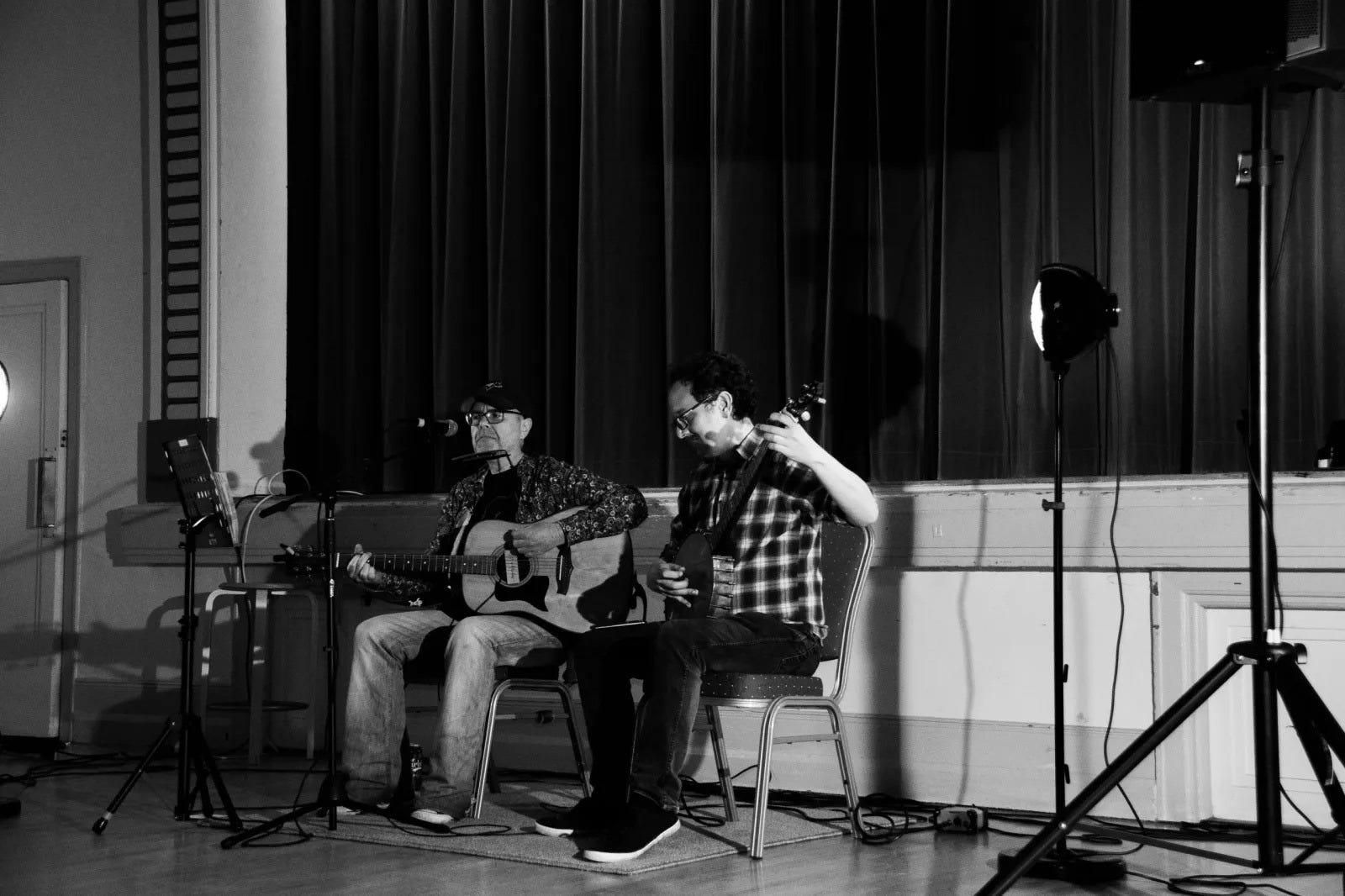
Big lunches, events, craft workshops and open mic evenings were all held in the Town Hall - invitations for connection and conversation. Within two and a half years, over 60 events were put on, with nearly all the artists and performers being from in and around Carrickfergus.
This signalled to the community that there are people here, including you, with talents and skills - and there certainly exists spaces for them to flourish and grow.
Creating warm, welcoming and informal spaces where people can show up as themselves will help us reconnect with each other and with the places we live in.
These spaces can actively build community and facilitate the transition from a culture of individualism, to a culture of care and collaboration. They can help to re-build relationships, trust and a shared sense of place that has been eroded by the loss of community infrastructure and networks.
Last year, Positive Carrickfergus organised their first music festival in the Town Hall. They held 20 events across 9 days, with around 70% of the £25k budget going directly to local artists, demonstrating how cultural life can be a real and active part of the local economy. This is community wealth building in practice.
When Communities Take the Lead
Once community agency has been realised and strong relationships have begun to emerge, change does not need to wait for permission or targeted service interventions. Lee states that place-based transformation has not been and will not be delivered by institutional or external bodies.
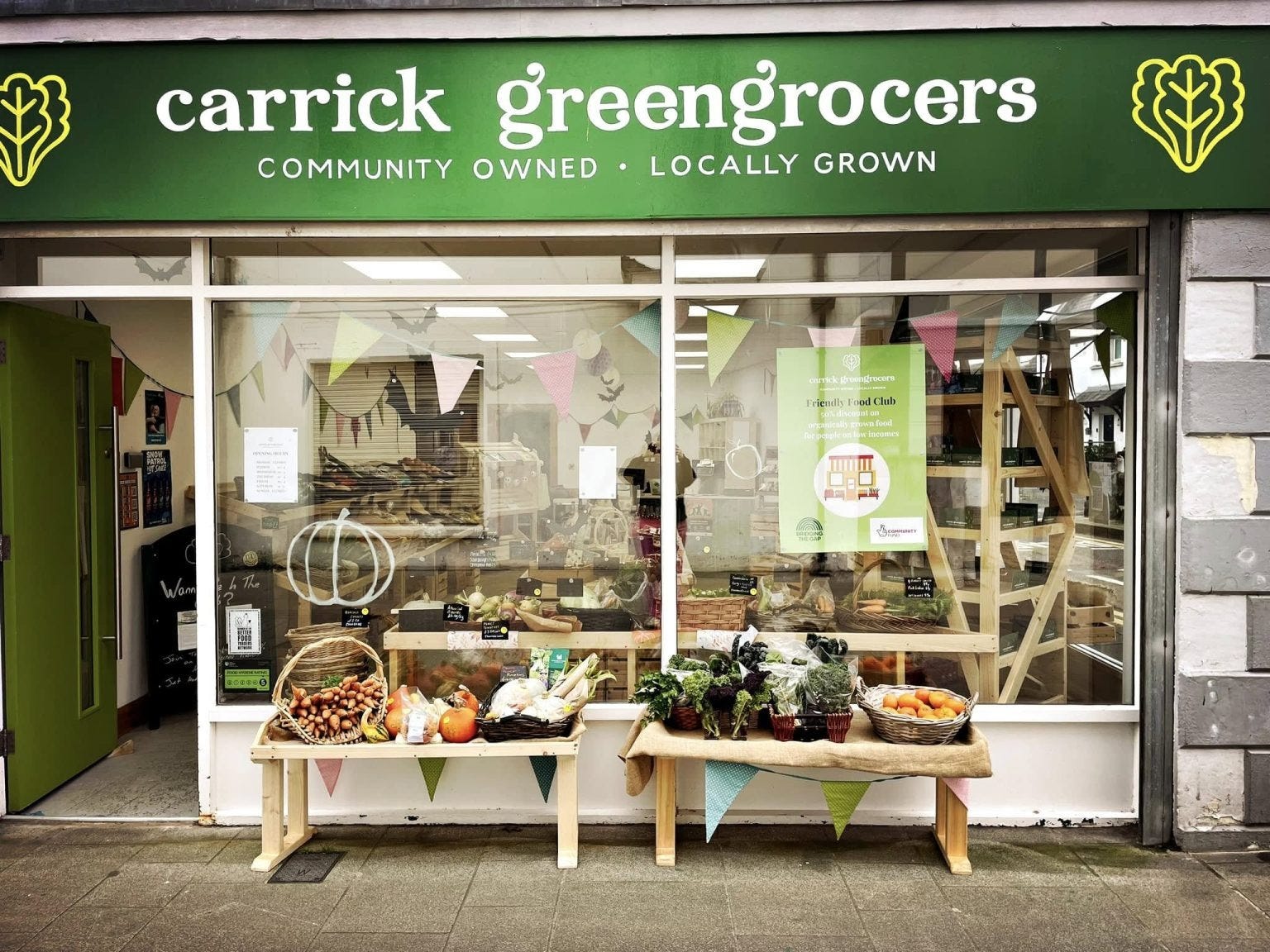
Out of the listening, convening and imagining Positive Carrickfergus had enabled, the idea of a community owned greengrocers was born. Despite Lee’s initial concerns that this would be dismissed, there was deep energy and enthusiasm for this.
Due to the conditions that had been cultivated over the last few years - the relationships, the collective confidence, the pride and stewardship of a place - this laid the groundwork and capacity for community ownership of this asset. The first community share offer for the greengrocers raised £34k, and in the first three days of opening the income generated was about £10k, while the first year had a turnover of £100k.
Carrick Greengrocers has become not only a practical place to buy locally-sourced, nutrient-rich food, but a space to talk, to connect and to practice a different way of living and working together.
This small, real and grounded work offers a quiet counter-narrative to the obsession with programmes, services and institutional plans that often fail without the relational networks to carry them. We recognise that communities hold the greatest capacity to shift power in place and the systems around them.
Seeing Place as Whole
Positive Carrickfergus is not doing “just one thing”, it is paying attention to the whole relational fabric of the town. The work focuses on what enables civic participation, connection and community wealth building, rather than dealing with prescriptive solutions or labels.
In just a few years, they have shown what becomes possible when the power and agency of a community to transform a place is recognised. The ingredients were already there, they just needed the right conditions for local people to get involved and to understand how they could make Carrickfergus a great place to live and thrive.
Want to be part of this conversation?
The Living Places Network is open to practitioners exploring community-led transitions in place. We hold regular knowledge sharing calls and we are building infrastructure to support deeper peer learning across the UK.
📩 Subscribe to this Substack to stay in the loop.
💡And if you are experimenting with similar work in your place, we would love to hear from you.